Paint Protection Film · Ceramic Coating · Washington, IL

Home / Paint Correction
Your car’s paint can lose its shine even when you wash it regularly. Swirl marks, fine scratches, and cloudy reflections make the exterior look older than it is. Peoria Clear Guard offers professional paint correction in Washington, IL, using machine polishing and clear coat refinement to reduce visible paint defects. Our service improves paint clarity, restores surface gloss, and brings out the original finish without unnecessary repainting.
You park your car in the sunlight and notice marks that were almost invisible in the garage. Fine scratches run across the hood, circular patterns appear on the doors, and the reflections look uneven. Washing removes dirt, but these marks remain because they are imperfections in the paint surface. Peoria Clear Guard provides car paint correction services in Washington, IL, to improve these visible defects through controlled machine polishing. We use suitable polishing compounds, pads, and equipment to refine the clear coat and reduce imperfections that interfere with paint clarity.
Unlike waxes or products that temporarily conceal scratches, professional paint correction physically reduces suitable defects in the clear coat. The process requires careful evaluation because excessive polishing can remove more protective material than necessary. Our team examines the finish, identifies correctable damage, and recommends an appropriate level of paint restoration. The result is a cleaner-looking exterior with improved reflections and a more consistent shine.

Fine scratches and surface haze scatter light, leaving the paint looking flat. Professional car paint polishing reduces suitable imperfections so reflections appear clearer and the original colour becomes more noticeable.
Shallow marks from washing, drying, and everyday contact may remain within the clear coat. Our automotive scratch correction process can reduce or remove suitable surface scratches without repainting the affected panel.
Circular swirl marks are especially noticeable under sunlight and bright inspection lights. Controlled polishing reduces suitable wash-induced scratches and improves the appearance of the surrounding finish.
Cloudy reflections can make a well-maintained vehicle look neglected. Professional paint refinement helps reduce surface defects that interfere with light reflection, producing a more uniform appearance.
Correcting visible imperfections before ceramic coating or paint protection film installation can improve the finished appearance. Proper paint preparation also helps identify damage that protective products cannot repair.
Improper washing, dirty drying towels, and abrasive automatic car washes can leave fine circular marks across the clear coat. These scratches often become visible when direct sunlight hits the paint. Our swirl mark removal service uses professional polishing techniques to reduce suitable wash-induced defects and improve surface clarity.
Minor contact with clothing, fingernails, branches, and cleaning materials can leave superficial scratches. Some marks can be corrected through machine polishing when they remain within a suitable depth of clear coat. Deep scratches that reach the colour layer or primer generally require additional paint repair.
Paint can lose its reflective appearance due to surface oxidation, repeated abrasion, and environmental exposure. Certain forms of oxidation can be improved through careful polishing when the remaining paint is in suitable condition. Severe clear coat deterioration or peeling cannot be repaired through paint correction alone.
Minerals left behind by sprinklers, rainwater, or improper drying can create visible spots. Some deposits can be removed through cleaning, while etched marks may require polishing. The depth of the damage determines how much improvement is possible.
Incorrect machine polishing can leave curved reflections, haze, or visible buffer trails. These defects may appear after previous detailing work, particularly on dark paint. Our paint hologram removal and finishing techniques address suitable polishing marks to improve the consistency of the surface.
Previous bodywork or refinishing may leave fine sanding marks beneath the final polished appearance. Certain shallow marks can be reduced through appropriate polishing, depending on the paint condition. More serious sanding damage or insufficient clear coat may require professional refinishing.
Paint enhancement is suitable for finishes that need improved gloss rather than extensive defect removal. A lighter polishing treatment can reduce minor haze and fine surface marks while improving reflection quality. This option may be appropriate when the clear coat is generally in good condition.
A single-stage paint correction uses one main polishing stage to address suitable light swirl marks, minor scratches, and surface dullness. It provides a balance between visual improvement and the amount of clear coat removed. Results depend on the hardness and condition of the paint.
A two-stage paint correction generally includes an initial cutting or compounding stage followed by finer polishing. The first stage reduces suitable defects, while the second improves clarity and removes haze left by the correction process. This approach may suit vehicles with more noticeable swirl marks or polishing defects.
More demanding finishes may require additional polishing stages to improve widespread defects. Multi-stage correction can address suitable scratches, haze, and other imperfections progressively. However, the available clear coat and depth of damage determine how far correction can safely proceed.
Peoria Clear Guard evaluates the paint before recommending a correction level. Complete defect removal is not always possible or necessary.

The hood and front fenders are highly visible under direct sunlight. Fine washing scratches, water spots, and surface haze can become noticeable across these broad painted areas. Professional clear coat polishing can improve minor imperfections and restore more consistent reflections.
Doors often develop light scratches around handles and along frequently touched areas. Repeated washing can also leave swirl marks across large side panels. Our car scratch reduction techniques address correctable defects without requiring unnecessary repainting.
Horizontal panels collect dust, moisture, and environmental deposits. Over time, mineral spotting and surface abrasion can affect their appearance. Paint correction may improve surface haze, fine scratches, and certain etched marks on these sections.
Loading groceries, luggage, and equipment can leave scuffs or scratches around the rear bumper. Some superficial marks respond to polishing, while deeper damage may require paint repair.
Previously repaired panels can have different paint thicknesses, hardness, and finishing characteristics from factory-painted sections. We assess these surfaces carefully because previous sanding, polishing, or refinishing can affect the amount of safe correction available.
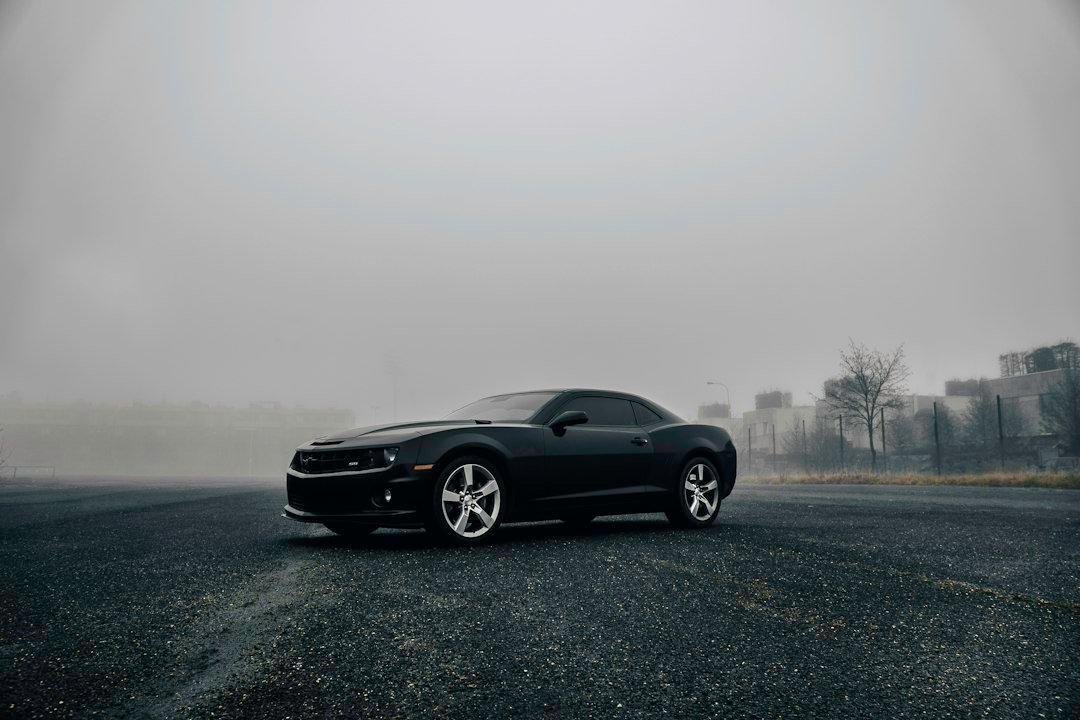
Our clear coat correction service reduces fine scratches, swirl marks, and surface haze through controlled machine polishing. This improves paint clarity and restores a glossier appearance.
We assess the paint’s condition and select suitable polishing techniques to remove minimal clear coat while improving visible imperfections.
Light surface marks may be removed through automotive paint correction. Deep scratches, peeling clear coat, and exposed primer generally require additional paint repair or repainting.
A standard exterior detail generally concentrates on washing, decontamination, and improving the vehicle’s overall cleanliness. It may include a light polish or protective product, depending on the service.
Professional machine polishing addresses the condition of the paint surface itself. It uses selected abrasives, polishing pads, and machine techniques to reduce correctable defects.
Paint compounding uses a more aggressive abrasive process when suitable defects require additional cutting. Finishing polish refines the surface to improve clarity and reduce residual haze.
Wax and paint sealants can temporarily improve gloss or conceal some imperfections, but they do not provide the same physical defect reduction as proper paint correction. At Peoria Clear Guard, we assess the finish before recommending the level of polishing required.
Every vehicle has different paint conditions and defect patterns. Our professional auto paint correction process begins with inspection and continues through surface preparation, controlled polishing, and final evaluation.
We inspect the exterior under suitable lighting to identify swirl marks, scratches, water spot etching, oxidation, and previous polishing defects. This helps determine which marks may respond to correction.
The vehicle is thoroughly washed to remove road film and loose dirt. Suitable chemical and mechanical decontamination methods remove bonded particles that could interfere with polishing.
We select polishing pads, compounds, and machine settings based on the paint’s condition. Suitable defects are reduced through controlled polishing, followed by additional refinement when needed.
We examine the corrected panels for remaining haze, visible scratches, and reflection quality. Our team discusses the results and provides recommendations for maintaining the improved finish.

Applying a protective product over scratched or hazy paint does not automatically remove the imperfections underneath. Professional paint correction before ceramic coating can improve the underlying finish by reducing suitable swirl marks, light scratches, and polishing haze. The ceramic coating can then be applied over the prepared surface to enhance gloss and support easier cleaning.
Paint protection film may also be installed after suitable paint preparation. Because transparent PPF allows the underlying colour and finish to remain visible, existing imperfections can affect the appearance of the installation. Peoria Clear Guard offers paint correction, ceramic coating, and XPEL paint protection film services in Washington, IL. Our team can discuss suitable combinations based on your paint condition and protection needs.
The cost of paint correction in Washington, IL, depends on your vehicle’s paint condition, size, and the amount of polishing required. Once the correction is complete, proper care helps maintain the restored gloss and reduce new surface scratches.
Peoria Clear Guard offers car paint correction services with estimates based on your vehicle’s condition and correction requirements. Share your car’s year, make, and model to discuss available options and pricing.
Deep swirl marks, oxidation, and surface haze may require additional correction work.
Single-stage polishing generally costs less than multi-stage paint correction.
Larger vehicles require more time for paint inspection, preparation, and polishing.
Use pH-neutral car shampoo and clean microfiber towels to help prevent new swirl marks.
Ceramic coating or compatible PPF can help preserve the improved finish, depending on the type of protection needed.
Yes, certain scratches within the clear coat can be reduced or removed through polishing. Deep scratches that penetrate the colour coat or primer usually require other repair methods.
Some swirl marks can be removed, while others may only be reduced. The result depends on defect depth, clear coat condition, and safe polishing limits.
Buffing is a general term for machine polishing. Paint correction is a more specific process that uses controlled polishing to reduce visible defects in automotive paint.
Yes, when dullness results from suitable surface haze, fine scratches, or correctable oxidation. Severe fading and clear coat failure may require refinishing.
Some water spot marks can be improved through decontamination or polishing. Deep etching may remain if removing it would require excessive clear coat removal.
It can be appropriate when the paint is in suitable condition and the correction method respects the available clear coat. Excessive polishing can damage the finish.
The number of stages depends on the severity of defects, paint hardness, and desired improvement. An inspection helps determine whether enhancement, single-stage, or multi-stage correction is appropriate.
Yes. Dark paint often shows swirl marks and haze clearly. Professional polishing can improve suitable defects and produce sharper reflections.
No. Paint correction improves existing defects but does not create a physical protective barrier. Proper washing habits and suitable protective treatments can help reduce future damage.
Paint correction may be recommended when swirl marks, scratches, or haze affect the finish. It is not always necessary for paint already in good condition.
Make your vehicle’s paint look cleaner, clearer, and more reflective with professional auto paint correction in Washington, IL. Peoria Clear Guard serves drivers in Peoria, East Peoria, and surrounding Central Illinois communities. Contact us to discuss paint defect removal, swirl mark correction, machine polishing, and suitable paint protection options for your car, SUV, truck, or performance vehicle.
Email: peoriaclearguard@gmail.com